
Saving on Energy Bills with Heat Pumps
- Leudis Cuello
- Dec 9, 2025
- 4 min read

Energy bills can take a significant chunk out of your monthly budget, especially during extreme weather conditions. With rising energy costs and increasing environmental concerns, many homeowners are looking for efficient ways to heat and cool their homes. One solution that has gained popularity in recent years is the heat pump. This blog post will explore how heat pumps work, their benefits, and how they can help you save on energy bills.
Understanding Heat Pumps
What is a Heat Pump?
A heat pump is a versatile system that can both heat and cool your home. Unlike traditional heating systems that generate heat, heat pumps transfer heat from one place to another. In the winter, they extract heat from the outside air (even in cold temperatures) and transfer it indoors. In the summer, the process is reversed, and they remove heat from your home, cooling it down.
How Do Heat Pumps Work?
Heat pumps operate using a refrigeration cycle, which involves the following components:
Evaporator Coil: Absorbs heat from the air or ground.
Compressor: Increases the temperature of the absorbed heat.
Condenser Coil: Releases the heat into your home.
Expansion Valve: Regulates the flow of refrigerant.
This cycle allows heat pumps to provide efficient heating and cooling, making them an attractive option for homeowners.
Benefits of Heat Pumps
Energy Efficiency
One of the most significant advantages of heat pumps is their energy efficiency. According to the U.S. Department of Energy, heat pumps can be three to four times more efficient than traditional heating systems. This means that for every unit of electricity consumed, they can produce three to four units of heating or cooling.
Lower Energy Bills
By using less energy to heat or cool your home, heat pumps can lead to substantial savings on your energy bills. Homeowners who switch to heat pumps often report savings of 30% to 50% on their heating and cooling costs. This can add up to significant savings over time, especially in regions with extreme temperatures.
Environmental Impact
Heat pumps are also an environmentally friendly option. They produce fewer greenhouse gas emissions compared to traditional heating systems that rely on fossil fuels. By using renewable energy sources, such as electricity from solar panels, you can further reduce your carbon footprint.
Versatility
Heat pumps are versatile systems that can be used in various applications. They can be installed in residential homes, commercial buildings, and even in swimming pools. Additionally, heat pumps come in different types, including air-source, ground-source (geothermal), and water-source heat pumps, allowing homeowners to choose the best option for their specific needs.
Types of Heat Pumps
Air-Source Heat Pumps
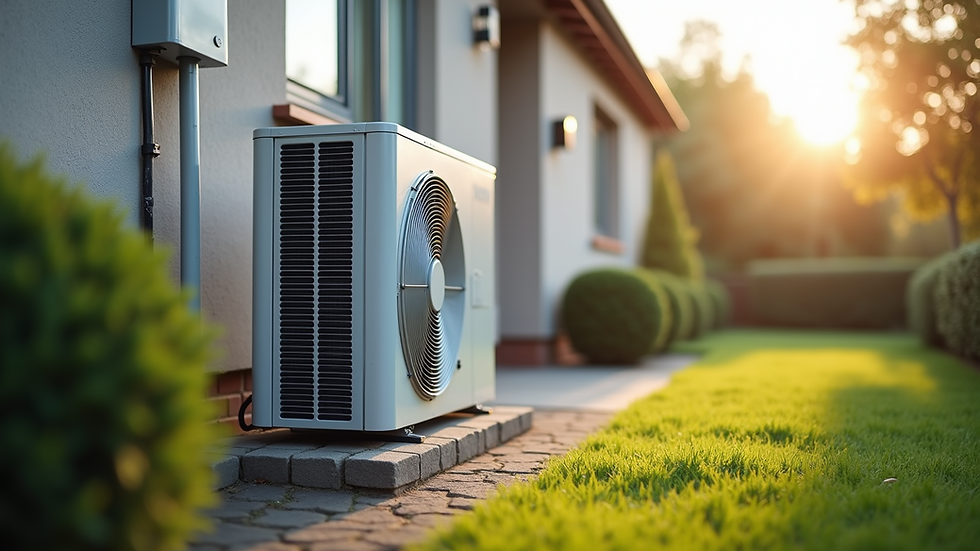
Air-source heat pumps are the most common type. They extract heat from the air outside your home and transfer it indoors. These systems are relatively easy to install and are suitable for moderate climates. However, their efficiency can decrease in extremely cold temperatures.
Ground-Source (Geothermal) Heat Pumps
Ground-source heat pumps utilize the stable temperature of the ground to provide heating and cooling. They require more extensive installation, as they involve burying pipes underground. However, they are highly efficient and can provide significant savings on energy bills, making them a long-term investment.
Water-Source Heat Pumps
Water-source heat pumps use bodies of water, such as lakes or wells, to exchange heat. They are less common but can be highly efficient in areas with access to suitable water sources.
Installation Considerations
Professional Installation
While some homeowners may consider DIY installation, it is highly recommended to hire a professional for heat pump installation. Proper sizing and placement are crucial for optimal performance. A professional can assess your home’s needs and recommend the best system for your situation.
Local Climate
When choosing a heat pump, consider your local climate. Air-source heat pumps are ideal for moderate climates, while ground-source heat pumps are better suited for areas with extreme temperatures. Understanding your climate will help you make an informed decision.
Maintenance
Regular maintenance is essential for keeping your heat pump running efficiently. This includes cleaning or replacing filters, checking refrigerant levels, and ensuring that the outdoor unit is free of debris. Scheduling annual maintenance with a qualified technician can help prolong the life of your system and maintain its efficiency.
Cost of Heat Pumps
Initial Investment
The initial cost of a heat pump can vary widely depending on the type, size, and installation complexity. On average, homeowners can expect to pay between $3,000 and $8,000 for a heat pump system, including installation. While this may seem high, the long-term savings on energy bills can offset the initial investment.
Incentives and Rebates
Many governments and utility companies offer incentives and rebates for homeowners who install energy-efficient systems like heat pumps. Check with your local energy provider to see what programs are available in your area. These incentives can significantly reduce the overall cost of installation.
Real-Life Examples
Case Study: A Family in the Midwest
The Johnson family, living in the Midwest, decided to replace their old furnace with an air-source heat pump. After installation, they noticed a 40% reduction in their heating bills during the winter months. The family also appreciated the added benefit of cooling their home in the summer without the need for a separate air conditioning unit.
Case Study: A Homeowner in a Coastal Area
In a coastal area, a homeowner opted for a ground-source heat pump. Although the initial investment was higher, they found that their energy bills decreased by 50% over the year. The homeowner also enjoyed the consistent temperature control and comfort that the geothermal system provided.
Conclusion
Heat pumps are an effective solution for homeowners looking to save on energy bills while reducing their environmental impact. With their energy efficiency, versatility, and potential for significant savings, heat pumps are worth considering for your heating and cooling needs. By investing in a heat pump, you can enjoy a comfortable home year-round while keeping your energy costs in check.
If you are interested in making the switch, consult with a professional to explore your options and find the best heat pump system for your home. Take the first step towards energy savings and a more sustainable future today!


Comments